

Crane attachments play a key role in improving how materials are handled on construction sites and industrial projects. The right attachment can transform a standard lift into a precise, safe, and efficient operation, reducing strain on both equipment and operators. Options such as lifting hooks, spreader bars, jibs, and clamps allow cranes to manage a wide variety of loads while maintaining stability and control. Selecting the correct attachment directly influences lift performance, safety compliance, and cost-effectiveness. Bigfoot Crane Company provides a range of industry-grade attachments accessible to US operators, offering reliable solutions designed to support diverse lifting needs and streamlining material handling processes across projects of all sizes.
Understanding Crane Attachments
Crane attachments are specialized tools designed to extend the capabilities of a crane beyond basic lifting operations. While standard rigging, such as slings or basic hooks, allows for simple hoisting, attachments provide tailored solutions for handling unusual shapes, heavy loads, or materials that require precise placement. These devices adapt the crane to specific tasks, making lifts safer and more efficient.
Attachments such as spreader bars, jibs, or clamps allow operators to manage loads with greater control, reducing the need for multiple rigging adjustments during a single lift. This not only decreases lift times but also minimizes manual handling, lowering the risk of injury to crew members. Specialized attachments can secure irregular or delicate materials, preventing damage and ensuring compliance with safety regulations.
Using the right attachment improves wirkflow by allowing tasks to be completed more quickly and accurately. Operators can handle heavier or awkward loads with confidence, reducing strain on both the crane and the rigging system. For companies in the US, selecting attachments that match the load type and job requirements is a key factor in improving productivity, maintaining equipment longevity, and keeping personnel safe during every lift.
Common Types of Crane Attachments
Crane attachments expand the versatility and efficiency of lifting operations across construction, industrial, and fabrication sites. Using the right attachment improves safety, reduces lift times, and protects materials and equipment.
Lifting Hooks and Shackles
Hooks and shackles are fundamental for safe crane operations. Available in a range of sizes and load ratings, they secure standard materials and prevent slippage during lifts. Correct selection ensures smooth handling and reduces risk of damage.
Spreader Bars and Lifting Beams
Spreaders and lifting beams distribute loads evenly, preventing stress on large or delicate materials. These attachments work well for panels, machinery, or pre-cast elements. Systems such as modular lifting frames and telescopic spreader bars stabilize loads and support complex lifts efficiently.
Jibs, Extensions, Clamps, and Grabs
Jibs and extensions increase reach and provide access to difficult positions. Clamps and grabs handle specialty materials like pipes, sheets, or barriers. Options such as pipe grabs, sheet clamps, and jersey barrier grabbers allow precise material handling while improving safety.
Concrete and Material Handling Buckets
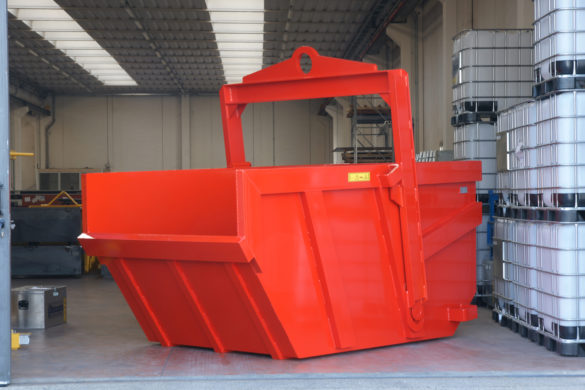
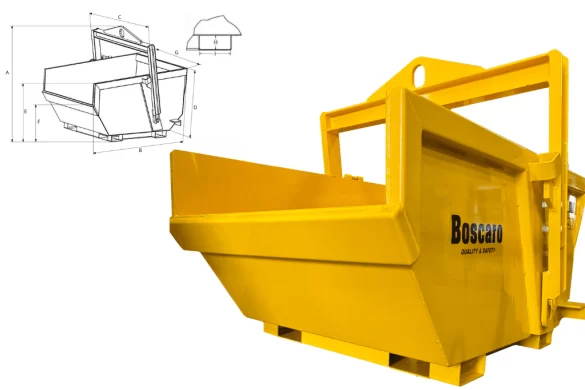
Concrete and material buckets accelerate bulk handling while reducing manual labor. Standard, hydraulic, and self-dumping bins help move concrete, mortar, and other materials efficiently. Fork-pocket or large-capacity bins simplify loading and unloading across job sites.
Personnel and Specialty Platforms
Man baskets and work platforms safely elevate crews for maintenance or installation tasks. Two-person and four-person baskets, cantilever designs, and forklift-mounted platforms provide secure, versatile access.
Additional tools like outrigger pads, test blocks, and propane carriers support safe lifting practices. A carefully selected combination of attachments ensures every lift is safer, faster, and better controlled.
Benefits of Using Crane Attachments
Crane attachments play a key role in improving lift performance while protecting both personnel and equipment. Selecting the right attachment for each task enhances safety, efficiency, and versatility across a range of operations.
Enhanced Safety
Attachments stabilize loads and reduce the need for manual handling, lowering the risk of accidents. Properly matched lifting hooks, clamps, or man baskets give operators better control over materials, helping teams work with confidence on complex or heavy lifts.
Operational Efficiency
Using attachments designed for specific tasks improves lift precision and reduces setup time. Spreaders, lifting beams, and concrete buckets allow loads to move smoothly, minimizing delays and improving project timelines.
Versatility Across Materials
Crane attachments enable the handling of a wide variety of materials, from panels and pipes to concrete and specialty items. This flexibility allows a single crane to serve multiple roles across different job sites, increasing overall productivity.
Reduced Equipment Wear
Properly designed attachments distribute weight and reduce stress on the crane and rigging. This targeted load management lowers the risk of component damage and extends equipment life, supporting long-term cost savings.
Selecting the Right Attachment for Your Needs
Choosing the correct crane attachment requires carefull consideration of the load and the operating environment. Understanding the weight, shape, and type of material is the first step, as different attachments perform better with specific loads. For example, spreader bars are ideal for large, delicate panels, while clamps or grabs provide control over pipes and specialty materials.
The crane’s lifting capacity and boom configuration must align with the attachment and load. Overextending the reach or exceeding rated capacities can compromise safety and damage equipment. Matching the attachment to the crane ensures stable lifts and precise load placement.
Environmental factors, such as terrain, wind exposure, or confined spaces, influence attachment choice. Jibs or extensions may help navigate tight spaces, while hydraulic or self-leveling attachments maintain control in uneven conditions. Reviewing product specifications, load charts, and guidance documents supports informed decision-making. Using detailed resources helps crews select the right attachment for each job, reducing setup errors, minimizing dowtime, and improving overall safety. Proper planning ensures every lift is executed efficiently and reliably, protecting both personnel and equipment.
Safety Considerations and Compliance
Safety is a central concern when using crane attachments, and compliance with OSHA regulations is a critical part of protecting both operators and material. Attachments must be selected and used according to the manufacturer’s specifications, and all rigging must meet established load and capacity standards. Regular inspection, maintenance, and periodic load testing help ensure that each attachment functions correctly and reduces the risk of failure during lifts.
Common mistakes, such as exceeding rated capacities, using the wrong type of attachment for a specific load, or failing to align the attachment properly, can lead to accidents, equipment damage, and costly dowtime. Operators should always follow detailed manufacturer instructions and leverage guidance from certified crane operators to confirm safe attachment use. Keeping comprehensive maintenance records and pre-lift checklists ensures accountability and helps identify potential issues before they escalate.
Attention to safety extends beyond individual lifts, influencing the overall efficiency and reliability of crane operations. Properly maintained attacks not only protect crews and materials but also prolong the life span of equipment, reduce repair costs, and support consistent project timelines. Observing these practices ensures that crane operations remain compliant, efficient, and safe.
Cost Efficiency and ROI
Crane attachments play a significant role in improving operational efficiency and delivering cost savings across projects. Using the right attachment for each lift allows operators to handle materials more quickly, reducing the time crews spend positioning, rigging, and guiding loads. This efficiency translates directly into lower labor costs and smoother project timelines, especially on jobs with repetitive lifts or complex material handling requirements.
Attachments also help protect both the crane and the materials being moved. Equipment wear is minimized when loads are balanced and secured properly, preventing excessive stress on structural components. Materials are less likely to be damaged during lifting and placement, reducing replacement costs and avoiding project delays caused by damaged goods.
Spreader bars distribute weight evenly across large panels or delicate equipment, reducing the risk of bending or cracking. Specialized grabs, such as pipe or sheet clamps, allow operators to lift and rotate materials with precision, eliminating the need for additional rigging and manual handling. These efficiencies improve return on investment by cutting dowtime, avoiding repairs, and enabling cranes to complete more lifts safely and reliably over their lifespan.
Crane Attachments Applications
Crane attachments have practical applications across many industries, helping operators handle materials safely and efficiently. In construction, spreader bars and lifting beams allow crews to maneuver large panels and prefabricated components with precision. Energy projects often use specialized grabs and clamps to lift pipes, turbines, and heavy equipment. Shipping yards benefit from hooks, clamshell buckets, and hydraulic grabs to manage bulk cargo quickly, while steel fabrication facilities rely on lifting frames and pallet forks to move sheets and structural components without damage.
Bigfoot Crane Company’s attachments have been applied on multiple projects across the United States, providing operators with reliable tools that adapt to tower cranes, mobile cranes, and industrial overhead cranes. Our products allow teams to adjust lifts for height, reach, and load type while maintaining safety and efficiency. This versatility ensures that crews in construction, energy, shipping, and fabrication can complete lifts faster, reduce material handling risks, and protect both equipment and workforce.
Conclusion
Using the right crane attachments can transform lift operations, enhancing safety, improving efficiency, and expanding the range of materials and tasks a crane can handle. Operators who carefully assess load types, crane capacity, and site conditions can choose attachments that reduce manual handling, minimize equipment wear, and streamline workflows. Companies across the United States benefit when lifts are executed with precision and care, protecting both materials and crews. Bigfoot Crane Company provides a wide selection of industry-grade crane attachments, helping North American operators access reliable tools that support safe, efficient, and flexible material handling across diverse projects.